Finding those tiny, moving visitors in the hair can feel like a major event. It sets off a rush to find a solution that works quickly and safely. As you scan the shelves, the boxes are filled with scientific names and promises. It can feel stressful.
But knowing what is actually in the bottle is the key to getting rid of the problem for good. Let’s break down the active components you will find in a typical head lice shampoo.
What kills the bugs?
The most important job of any treatment is to stop the live lice. A common group of ingredients used for this are called pyrethrins. They are extracts from a specific type of chrysanthemum flower. These substances attack the nervous system of the lice, leading to their demise. Another synthetic version you might see is permethrin. It works in a similar way and stays on the hair for a while to keep working against any newly hatched lice. These are often the first line of defense and are found in many standard treatments.
How they stop the eggs:
Killing the adult bugs is only half the battle. The eggs, or nits, are glued tightly to the hair shaft and are often resistant to the first treatment. This is why some products include a second type of active ingredient. These are often called ovicidal agents, meaning they are designed to penetrate the egg casing and stop the nymph from developing inside. This step is important.
The role of smothering agents:
Not all treatments rely on neurotoxins. Some of the most effective formulas use a physical method to get the job done. These are often called smothering agents. Ingredients like dimethicone are a silicone based substance that coats the lice. It works by blocking their breathing holes, leading to suffocation. It also prevents them from moving away from the water. This method is popular because it attacks the problem physically, so the lice cannot build up a resistance to it.
The importance of careful combing:
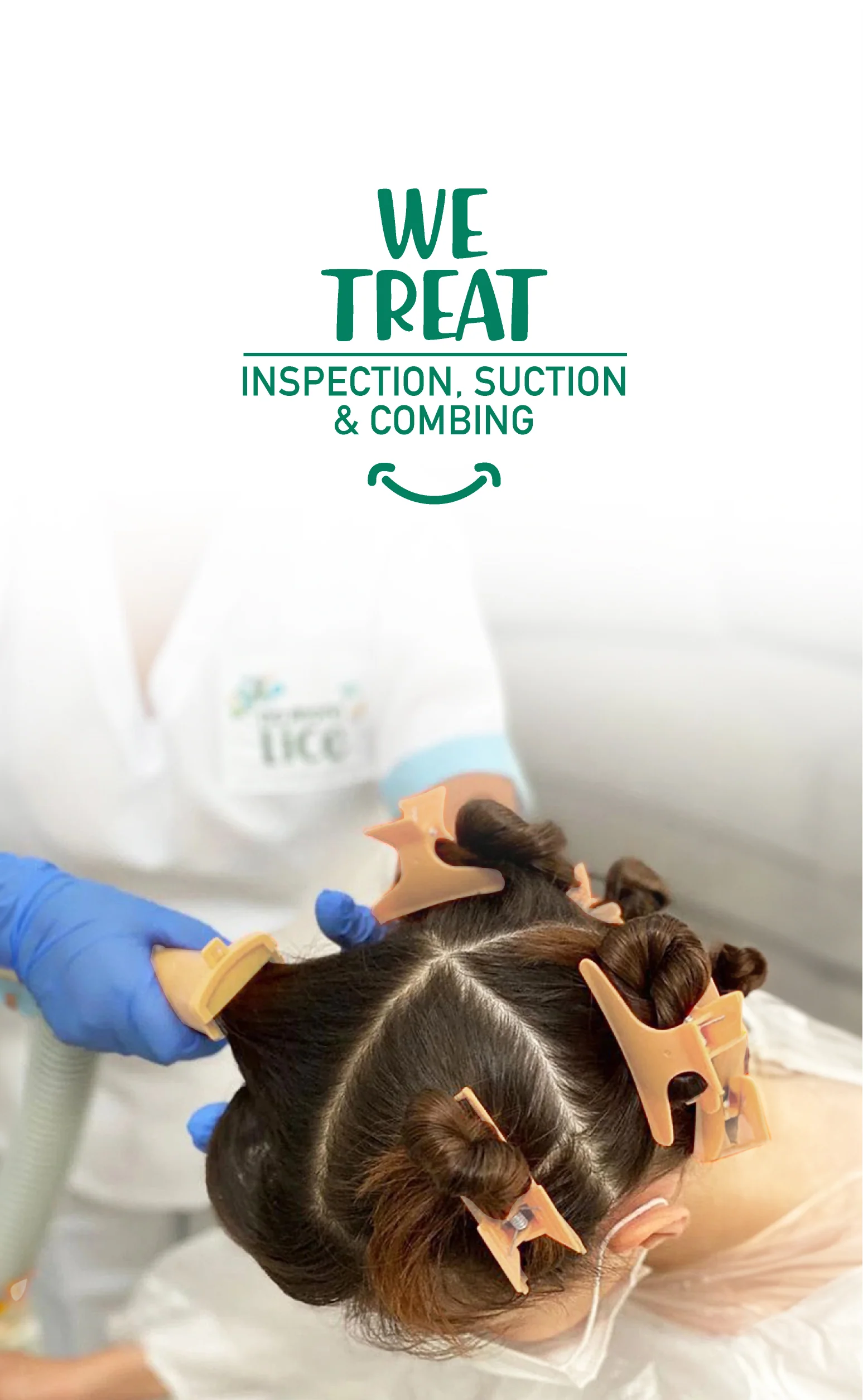
Even with a powerful liquid treatment, the process is not complete without manual removal. That is where the comb comes in. While not a chemical ingredient, it is a physical tool essential to the process. Many shampoos are formulated to work with a fine toothed comb. The product might condition the hair, making it slippery so the dead lice and the glued eggs slide off more easily.